The Real Ledger: Why Your £45 Tote Might Be the Most Expensive Bag You Own

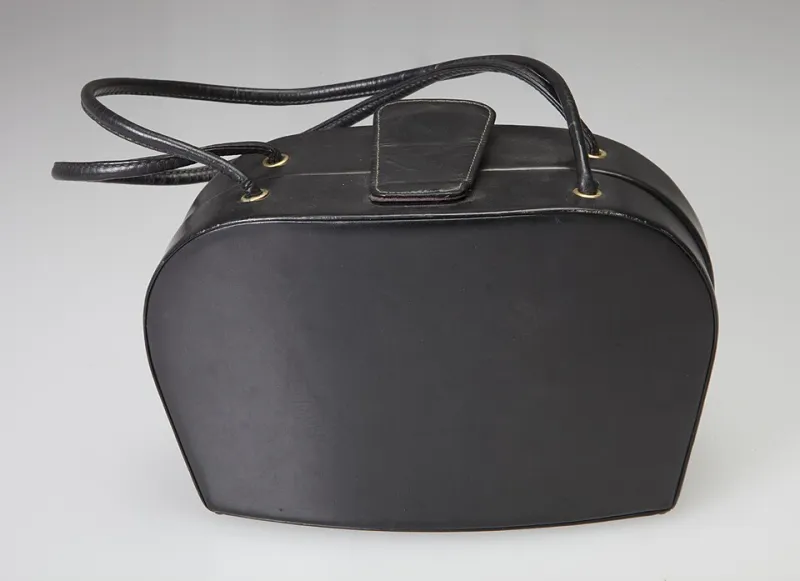
Photo: Johannes Vermeer, Public domain, via Wikimedia Commons
Cost per wear has the cleanest promise in fashion: divide the price by the number of times you carry the bag, and the answer tells you whether you were sensible. I have used it for years. I have also watched it flatter a £45 tote that fell apart before Bonfire Night and punish a £600 shoulder bag that has been to three weddings, a funeral and the sort of rainy Tuesday that tests a zip. So this November, I am proposing a slightly more honest ledger.
The sum I used to trust
The classic calculation is price divided by wears. It is neat, it is shareable, and it ignores almost everything that happens after you leave the shop. It does not care whether the handles crack in the rain, whether the lining gives up near the bus pass, or whether you can sell the thing on for anything at all. It treats a bag as a number rather than an object with a life.
That is not to say cheap bags are bad. Some £45 bags are excellent. Some £600 bags are a mistake in leather form. The point is that the simple sum rewards the wrong things: it rewards a low entry price and a hopeful wear count, while quietly taxing the bag that costs more upfront but asks less of you later.
Three bags, three ledgers
Here is the maths I wish I had done before my third high-street tote died on a wet walk to the station. These are illustrative, but they are not fantasy. They use the sort of wear patterns most of us actually have: commutes, weekends, the occasional dinner, and a bag that has to cope with a British forecast.
The £45 high-street tote
You buy it for the commute. It is roomy, it has a zip, and it looks smart enough for the office. You carry it three times a week. The handles start to soften, then crack. The zip gets sticky. The lining tears near the phone pocket. By month seven it is a bag you keep in the car for emergencies.
Over two years you buy four of them, because the first one is replaced, then the second, then the third. That is £180 on totes, plus £20 on protector spray and a pack of wipes. Resale value: nothing. Realistic wears: around 320, if you are generous. True cost per wear: about 63p. Not catastrophic, but not the bargain the £45 sticker suggested. And you have spent two years thinking about replacement totes.
The £220 leather shoulder bag
This one is the middle child: a proper leather shoulder bag, simple hardware, a lining that does not sound like crisp packets. You carry it three or four times a week. It gets rained on. You condition it twice a year, replace a strap clasp once, and have the cobbler look at the corner where you keep catching it on the car door.
Over three years: £220 purchase, £40 care, £60 repair, and a resale value of about £70 if you decide to sell. Realistic wears: around 600. True cost per wear: roughly 42p. It is not free, but it is doing what a good bag should do: absorbing use without demanding a replacement every season.
The £600 pre-loved classic
This is the one that makes people wince at the till. It is pre-loved, so the first owner took the depreciation hit. You buy it for £600, use it four or five times a week, and look after it. Over five years you spend £120 on care and £150 on a proper repair — new lining, hardware tightened, strap restitched. Then you sell it for £300.
Realistic wears: around 1,300. True cost per wear: about 44p. If you never sell it, the number rises to around 67p. But even then, the bag has spent five years being the bag, not the stand-in. That is the bit the simple sum misses.
The five-point true cost
I am not suggesting you carry a spreadsheet in your handbag. I am suggesting you ask five questions before you decide a bag is a bargain.
- The real purchase price. Include the strap you will actually use, the insert, the protector spray, the delivery. Although the ticket is not always the cost.
- The realistic wear count. Not the dream where you carry it every day for a decade. Count the days you actually leave the house with a bag like this one.
- The care and repair reserve. Leather needs feeding. Hardware needs tightening. Linings need replacing. A £30 cobbler bill is not a tragedy; it is part of the maths.
- The weather and lifestyle tax. If a bag cannot cope with rain, a commute and a pub cloakroom, you will need a second bag. That second bag belongs in the ledger too.
- The exit value or replacement cost. A bag with resale value is not free, but it is not a sunk cost either. A bag with no resale value and a short life is a subscription you did not mean to sign up for.
Put simply: true cost per wear = (price + care + repairs + weather-tax spend − resale value) ÷ realistic wears. It is not perfect. It cannot measure how the bag makes you feel when you catch it in a shop window. But it is a lot more honest than price divided by hope.
What to do on your next bag
Use the simple sum if you like it. Just do not let it make the decision alone. A cheap bag can be a sensible one-season purchase; a good bag can be a ridiculous indulgence. The difference is usually in the boring bits: the zip, the strap, the lining, the resale, the repair.
At Marcela's Purse, the bags I rate are rarely the ones with the loudest price tag. They are the ones that survive the walk home in the rain, still look deliberate at dinner, and do not make you start shopping again by February. That is the maths that actually works.