Tarnish, Damp and the December Dash: A Realistic Guide to Affordable Bag Hardware
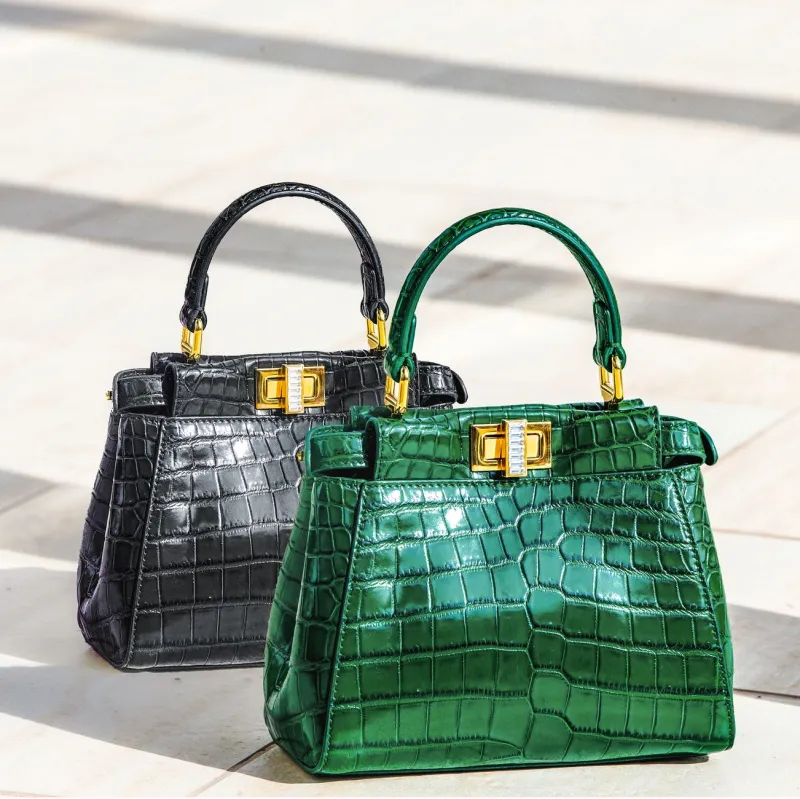
There is a particular disappointment that comes with pulling a favourite bag out of its dust bag in early December, only to find that the once-bright clasp has gone the colour of old cutlery. It is rarely the leather that lets an affordable bag down first. More often, it is the hardware.
With the 2026 party season already sending us towards our smarter bags, this feels like the right moment to talk about maintenance. Accessible luxury is not only about what you pay. It is also about how long you can keep the thing looking deliberate. A £150 bag with clean, bright hardware reads far more expensive than a £400 bag with dull, scratched metal. The good news is that most of the work takes about five minutes a week, and none of it requires a specialist.
Why British winter is so unkind to gold-tone hardware
Handbag hardware is usually one of three things: solid brass, brass-plated zinc alloy, or a base metal with a decorative coating such as gold-tone plating or PVD. Solid brass is the most forgiving because it can be polished back. Plated finishes cannot. Once the plating has worn through, no cloth will bring the colour back.
Tarnish itself is a chemical reaction. Brass and copper alloys react with sulphur compounds in the air, moisture and the oils on our skin. A British winter serves up all three in generous measure: wet pavements, damp coats, central heating that dries the air indoors and then sends us back out into drizzle, hand cream applied six times a day, and the perfume or hairspray we spritz without thinking near a shoulder bag.
Wool is another quiet culprit. A heavy coat rubbing against a chain strap or clasp creates friction, and friction wears away the thin lacquer that many affordable bags use to keep hardware shiny. Once that lacquer is compromised, the metal underneath is exposed to everything the weather can throw at it.
How to spot a finish that will let you down
You can learn a lot in the shop before you spend anything. Start with the edges of the clasp and the points where the strap attaches. Plating wears first at high-friction points, so any bubbling, cloudiness or a faint patch of a different colour is a warning. Run a fingertip over the hardware. It should feel smooth, not powdery or slightly tacky.
Weight is a useful clue, though not a guarantee. Solid brass feels denser and cooler than hollow zinc alloy. A magnet will not tell you much, because many bag fittings use magnetic snaps and mixed metals. What you can do is look at the small print. A label that says 'gold-tone hardware' is describing a finish, not a material. That is not a reason to walk away, but it is a reason to be realistic about care.
Lacquered hardware looks wonderful when new and is genuinely protective, but it can cloud with repeated damp-dry cycles. Unlacquered brass will darken, which some people love and others hate. Neither is faulty. They simply age differently.
Three at-home checks before you commit
If you are buying second-hand or from a charity shop, these quick checks are worth doing in daylight.
The white cloth test. Rub the hardware gently with a clean white cotton cloth or a cotton bud. A little grey or black residue is normal dirt and will clean off. Heavy black marks on a supposedly new bag suggest the metal is already reacting. On a pre-loved bag, it tells you the hardware has been sitting damp.
The edge check. Look closely at the corners of the clasp, the hinge of a turn-lock and the loops that hold the strap. Plating often lifts at these points. If you can see a yellow base under a gold finish, walk away unless the price reflects it.
The hidden-spot test. If you are confident the hardware is bare brass, a tiny dab of distilled white vinegar on a hidden area, wiped off after thirty seconds, will brighten it. Do not try this on gold-tone plating or lacquer. It is a test for brass, not a general cleaning tip.
The five-minute winter routine
You do not need a shelf of products. You need consistency.
Once a week, empty the bag and wipe the hardware with a dry microfibre cloth. This removes the film of hand cream, rain and city air that attracts tarnish. For grime around hinges, use a barely damp cloth with a single drop of pH-neutral soap, then dry immediately with a soft cloth. A baby toothbrush is useful for the crevices around a twist lock, but keep it dry and use a light touch.
A jeweller's polishing cloth, the kind sold for silver, is excellent for a final buff. Town Talk polishing cloths are widely available in the UK and cost very little. Avoid abrasive metal polishes on anything plated or lacquered. Brasso has its uses on bare brass, but it is not a universal cure and can strip a protective coating in seconds.
Keep perfume, hairspray and hand sanitiser away from the clasp. Spray first, wait a moment, then pick up the bag. It sounds fussy. It is also the single easiest way to slow tarnish.
Storing it like you mean it
Damp is the enemy, so do not store bags in a bathroom, a cellar or against an outside wall. A dust bag in a dry wardrobe is fine. Pop a small silica gel sachet inside the bag and replace it every few months; Lakeland sells them in packs, and they are the least glamorous but most useful thing in my bag cupboard. Anti-tarnish strips, sold for jewellery boxes, are another quiet ally.
Stuff the bag lightly with acid-free tissue so it holds its shape, and do not hang it by the strap for months on end. Rotate your bags. A week in the dark does more for hardware than any polish.
The party-season payoff
By the time the Christmas invitations arrive, the difference between a bag that has been looked after and one that has been left damp in a hallway is obvious. Bright hardware catches the light. Dull hardware catches the eye for the wrong reasons.
None of this is about pretending an affordable bag is something it is not. It is about respecting the £150 you spent enough to give it five minutes a week. In a British winter, that is the real luxury: not the price tag, but the finish that still looks considered in December 2026.