The Smallest Bag in the Room: A Wallet Reset for Lighter Shoulders and Better Outfits
There is a particular kind of shoulder ache that has nothing to do with the bag and everything to do with what is inside it. You buy a neat little crossbody, fall for the clean lines and the sensible strap drop, then spend three months feeding it receipts, loyalty cards, a purse with a broken zip and forty pence in loose change. By February the bag looks lumpy and feels heavier than the laptop you are trying to avoid carrying.
The bag is rarely the problem. The purse is.
The weight is not where you think it is
A leather tote that weighs 600g empty is a known quantity. What sneaks up on you is the 300g of accumulated life rattling around at the bottom. A chunky zip-around purse with twelve card slots, a separate coin section and a photograph pocket can weigh more than a paperback. Add a keys-and-lanyard situation, a lip balm, a hair clip and a folded-up prescription you keep meaning to file, and you have quietly doubled the load.
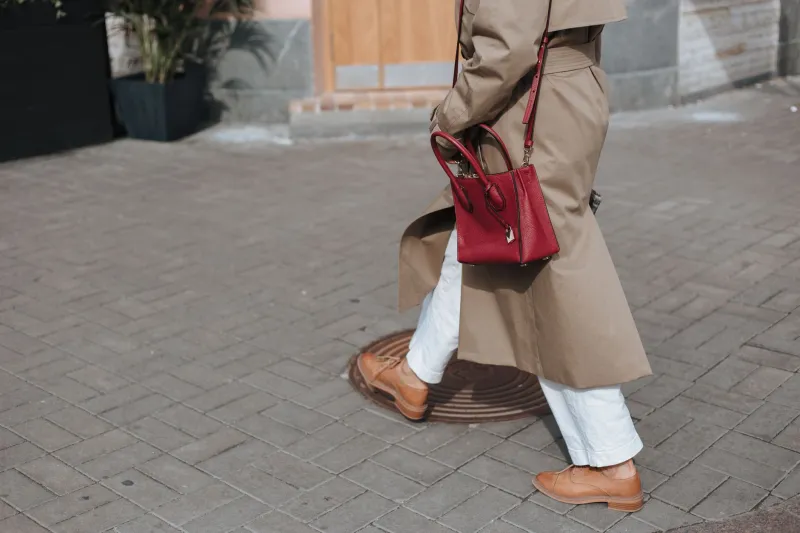
This is not a lecture about minimalism. It is a practical observation: a bag that closes properly, sits flat against your hip and does not bulge at the gusset will always look more expensive than one that is straining at the seams. The inner purse does that work.
Empty it onto the bed, then be honest
Give yourself fifteen minutes and a clear surface. Tip everything out. Not the dignified shake — the full excavation, including the lining pockets and that mysterious zipped compartment at the back you have never once opened on purpose.
You will find the usual suspects. A Boots Advantage card, two Tesco Clubcards, a Waterstones stamp card from a shop that closed in 2023, a foreign coin from a trip to Lisbon, three receipts for coffee, a bank card for an account you moved away from, and a railcard that expired last summer. None of it is heavy on its own. Together it is a small brick.
Sort into three piles: keep, shred, and relocate. Relocating is the important one. Loyalty cards can live in a notes app or a slim cardholder in your desk drawer. Receipts for anything you might return go in a labelled envelope at home, not in your bag. Loose change goes in a jar, not the lining.
What a UK purse actually needs to hold
This is where most slim-purse advice falls down, because it assumes you live somewhere with contactless everything and no need for a physical railcard. In the UK, a purse still has a job to do.
At minimum, mine needs to hold a debit card, a credit card, a driving licence or photocard, a railcard, and a couple of coins for the Aldi trolley or a parking meter that has not caught up with the times. That is five cards and a small coin situation. It is not a twelve-slot wallet with a cheque book section.
If you use a digital railcard, even better. If you still carry a physical one, look for a purse with a dedicated slip pocket rather than forcing it into the card stack, where it will bend and eventually crack.
The fifteen-minute reset
- Empty everything onto a flat surface and wipe out the lining with a damp cloth. Let it dry properly before reloading.
- Bin any receipt you do not need, shred anything with your name and address on it, and put loyalty cards you use less than once a month into a drawer at home.
- Keep one debit card, one credit card, your licence, your railcard and a single store card if you genuinely use it weekly.
- Put no more than £5 in coins in the purse. Anything above that goes in a jar at home. You will not miss it.
- Reassess the purse itself. If it is bulky, torn at the card slots or has a coin zip that catches, this is the moment to replace it rather than shuffle the same clutter into a new bag.
Slim does not have to mean useless
A cardholder with a small zip pouch is the obvious answer for many people, but it only works if you are comfortable carrying notes and coins separately. A slim bifold with six card slots and a flat note compartment is the safer bet for anyone who still uses cash. A snap-frame purse looks elegant but can be fiddly in a queue.
Measure the internal width of your bag before you buy. A purse that is 2cm too wide will distort the shape of a small crossbody every time you close it. And think about colour: a pale lining makes it easier to find things, while a colour that echoes the bag lining feels deliberate rather than accidental.
Accessible price points
You do not need to spend much. M&S does a decent slim leather cardholder for around £22, and John Lewis own-brand leather purses start near £30. Oliver Bonas has good mid-price options in the £28–£40 range. Radley outlet and TK Maxx are worth a look if you want a branded slim bifold without the full price, and charity shops regularly turn up barely used leather purses for under a tenner. Clean them with leather conditioner and they will outlast a fast-fashion replacement.
Why it changes the whole look
A bag that sits flat under the arm reads as considered. A bag that bulges at the closure reads as full. That is the whole trick. When the purse inside is the right size and the contents are edited, the bag keeps its intended silhouette, the strap sits where it should, and the hardware does not look strained.
It is a small, unglamorous job. But it costs nothing, takes fifteen minutes, and makes the bag you already own look like the one you meant to buy.