The £50 Leather Test: How to Read a Charity Shop Bag Like a Cobbler
Photo: Mari Buckley, CC BY-SA 2.0, via Wikimedia Commons
Charity shops are not a lottery. They are a reading test. The bag that looks tired under fluorescent lighting might have another decade in it; the one that gleams on the shelf could be bonded leather waiting to peel. Under £50, you are not buying a logo. You are buying clues.
I learned this the slow way, after donating a so-called bargain that shed flakes over a favourite coat. Since then I have treated every UK charity shop, vintage fair and resale listing as a small inspection. Not with suspicion — with curiosity. Here is what I look for before I part with my money.
Start with the label and the queue
Oxfam, British Heart Foundation, Barnardo's, Sue Ryder, Mind and Shelter all turn up good bags, but the best hunting is often in neighbourhoods where people replace rather than repair. Think Chiswick, Harrogate, Morningside in Edinburgh or the quieter streets of Bath. Ask staff if donations have been checked; some shops now steam and authenticate before shelving. If a bag has been sitting in a window for weeks, ask yourself why.
Online, the same rules apply. Oxfam's Online Shop is worth a browse, as are Vinted, eBay and Preloved. Search for 'full grain leather', 'made in England' or 'vintage leather bag' rather than brand names alone. On Vinted, ask for close-ups of the strap joins and zip. A seller who refuses is a seller to leave alone.
Stitching: the first honest conversation
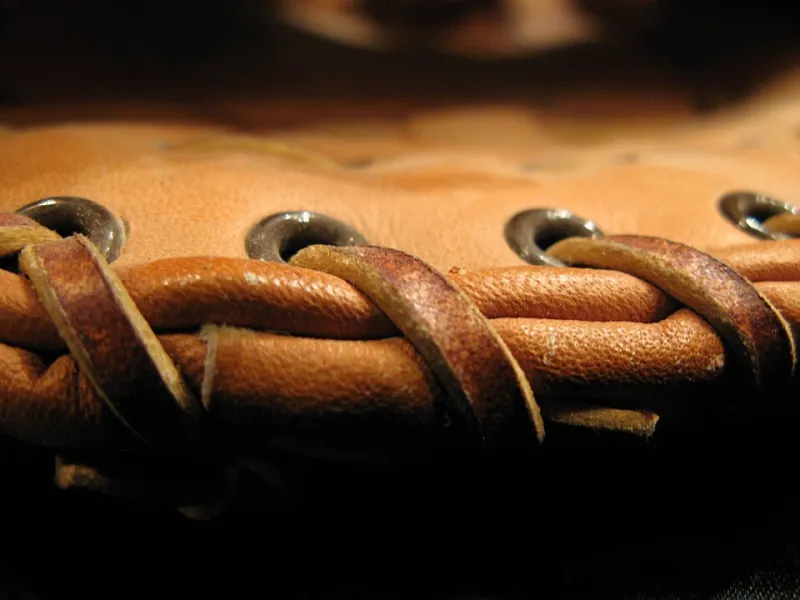
Turn the bag inside out, or as close as you can get. Good stitching is even, slightly recessed and consistent — roughly eight to ten stitches per inch on a quality bag. Check the places that take strain: where the strap meets the body, the zip ends, the handle anchors. Loose, fuzzy or skipped stitches are a warning. So are glued seams pretending to be stitched ones. Run a thumb along the inside of the strap; if you can feel a hard lump where a rivet has been badly set, walk away.
Hardware should feel boringly solid
Good hardware is not flashy. It is cool to the touch, weighty and smooth in the hand. Zips should run without catching; YKK is a useful marker, though not the only one. Turn locks should click, not rattle. Avoid anything with flaking plating, pitting or a plastic feel. Test every zip twice, including the interior pocket. A broken zip is not always fatal — a cobbler can replace it — but it should change the price you are willing to pay.
Leather: grain, scent and edges
Press a thumb into the leather. Full-grain or top-grain hides crease finely, like skin. Corrected leather can look suspiciously uniform, like upholstery. Smell matters: real leather smells faintly animal, not of petrol or glue. Look at the cut edges. Painted or burnished edges are a good sign; peeling, fluffy edges often mean bonded leather. Patent leather that has cracked cannot be saved. Suede that has balded at the corners is a no.
The lining tells tales
A cotton canvas, suede or good viscose lining will still feel pleasant after years. Thin polyester that has shredded at the seams is a red flag. Check the interior pockets and the base corners — that is where neglect shows. A musty smell can often be aired out with bicarbonate of soda, but mildew is harder. Ink stains are cosmetic; a torn lining is a repair job.
Red flags under £50
Be wary of 'leather-look', 'leatherette' and vague 'genuine leather' labels. Skip bags with glued straps, asymmetric handles, hollow-feeling hardware or zip teeth that are missing. A strong plastic smell is rarely a good sign. And if the price is low but the bag is a fake designer piece, leave it: you are not buying craftsmanship, you are buying someone else's problem.
The £50 rule: leave room for a cobbler
My best secondhand buys have all had a second life at the cobbler. A £30 bag plus £20 for a strap punch, a new zip or a lining patch can become a keeper. Before you buy, photograph the damage and ask a local repairer for a rough quote. If the total stays under £50, you are still winning. If it climbs, be honest about whether you love the bag enough.
Where to hunt this autumn
Vintage fairs such as Judy's Affordable Vintage Fair and Lou Lou's Vintage Fair are good for leather that has already proved itself. Charity shop boutiques in affluent areas are worth a monthly loop. Online, set saved searches on Vinted and eBay for 'full grain leather crossbody' and check Oxfam's Online Shop weekly. Go early, carry a cloth bag and a tape measure, and do not buy in a hurry.
A £45 bag that lasts five years is accessible luxury. A £45 fast-fashion bag that lasts one season is not. The difference is rarely the label. It is the stitching, the hardware, the lining and the smell — small clues that add up to a very good decision.